
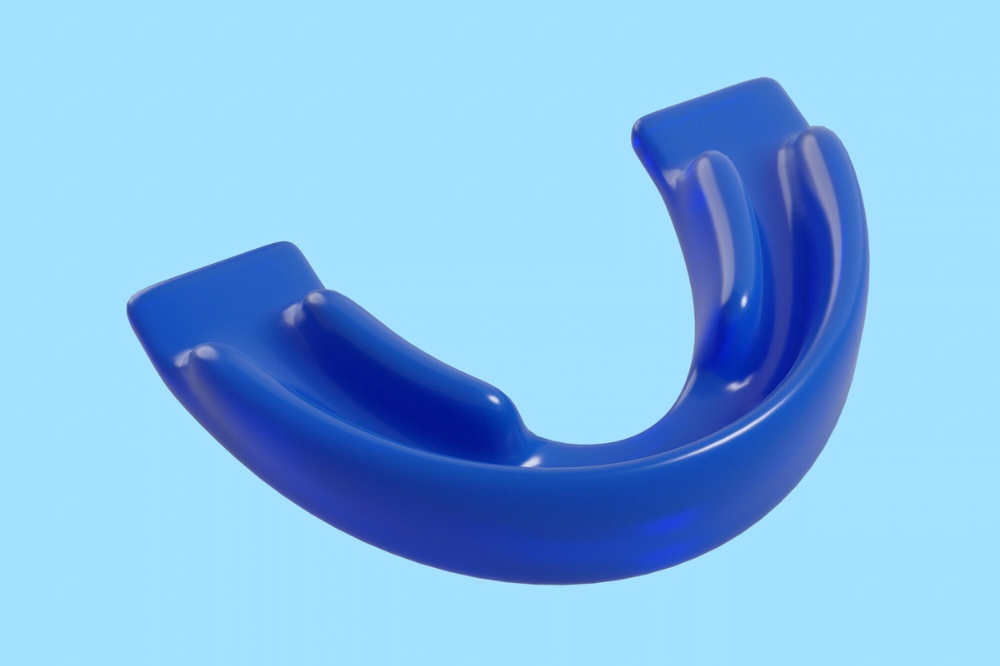
Braces can help move teeth into better positions, but the brackets attached to the teeth can be damaged by a hit to the mouth. Wearing a mouthguard for braces in Glendale can add a layer of protection during sports and activities where the teeth may be exposed to impact. A mouthguard can help cushion contact and reduce the chance of the lips, cheeks, teeth, and braces being injured. However, it cannot prevent every type of bracket damage. Proper fit, regular dental care, and following orthodontic instructions also matter.
Understanding how a mouthguard works can make it easier to protect braces while staying active.
Why Do Braces Brackets Break?
Brackets can become loose or break when they are exposed to strong force or pressure. This may happen during contact sports, accidental falls, or a direct hit to the face.
Other factors can also increase the risk, including:
- Biting hard or sticky foods
- Chewing ice or other hard objects
- Playing sports without mouth protection
- Using the teeth to open packages
- Accidental impact during physical activities
A broken bracket may irritate the inside of the cheek or lip and may interfere with the planned movement of the tooth.
Can a Mouthguard Protect Braces?
Yes. A properly fitted mouthguard can help protect braces by creating a cushion between the braces and the soft tissues of the mouth. It can also help reduce the force reaching the teeth and brackets during an impact.
A mouthguard for braces in Litchfield Park should be designed or selected with braces in mind. Regular mouthguards may not provide enough room for brackets and may not fit comfortably as the teeth move.
For orthodontic treatment, a mouthguard should:
- Fit comfortably over the braces.
- Allow enough room for tooth movement.
- Stay in place during activity.
- Avoid putting unnecessary pressure on brackets
- Be easy to clean
How to Prevent Braces Brackets From Breaking?
Using a mouthguard is one part of protecting braces. Daily habits also play an important role.
To reduce the risk of bracket damage:
- Wear a mouthguard during sports: Use appropriate protection for activities where the mouth could receive an impact.
- Avoid hard foods: Choose softer foods when advised and avoid biting directly into hard items.
- Skip sticky foods: Sticky foods can pull on brackets and wires.
- Do not chew objects: Avoid chewing pens, pencils, fingernails, or other hard items.
- Follow orthodontic instructions: Recommended care can help keep brackets and wires in good condition.
Do Mouthguards Prevent Broken Teeth?
A mouthguard can help reduce the risk of dental injuries during sports, but it cannot guarantee that a tooth will not break. The level of protection depends on the type of activity, the force of the impact, and how well the mouthguard fits.
An orthodontist in Glendale can help explain which type of mouth protection may be suitable when braces are being worn. A proper fit is especially important because braces gradually change the position of the teeth.
Why Regular Mouthguards May Not Work With Braces
Braces change the shape and space inside the mouth. As teeth move, the fit of a mouthguard can also change. A mouthguard that is too tight may press against brackets, while one that is too loose may move during activity.
A mouthguard for braces in Glendale should fit comfortably over the braces and leave enough room for your teeth to move. Your orthodontist can check the mouthguard and tell you if it still fits properly as your treatment continues.
What to Do If a Bracket Breaks
Even with proper care, a bracket may sometimes come loose or break. Do not try to remove or fix it yourself.
Instead:
- Contact an orthodontist near you for advice.
- Avoid hard or sticky foods until the bracket is checked.
- If a wire is irritating, use orthodontic wax if recommended.
- Keep the area clean with gentle brushing.
- Follow the instructions your orthodontic team provides.
A broken bracket may not always need immediate repair, but report it so the team can decide the next step.
Keep Your Braces Protected During Sports!
A mouthguard can help reduce the impact of accidental contact and protect braces from unnecessary damage during sports and other active activities. ES Orthodontics can assess your orthodontic needs and help you understand what type of mouth protection may work well with your braces.
Book your appointment with ES Orthodontics to learn how to protect your braces while staying active.
FAQs
Should a mouthguard cover the braces completely?
The mouthguard should fit over the braces and provide enough space for the brackets and natural tooth movement. The exact design may depend on the type of braces and stage of treatment.
Can a mouthguard be worn during every sport?
Mouthguards are particularly useful for sports with a risk of contact or falls. The level of protection needed can depend on the activity and its injury risk.
Can a mouthguard damage braces?
A properly fitted mouthguard should not normally damage braces. However, a poor-fitting or unsuitable mouthguard may place unwanted pressure on brackets or become uncomfortable.
Can a mouthguard be used after braces are removed?
Yes, a mouthguard may still be useful for sports after braces are removed. The type and fit may need to change because the teeth and mouth will have a different shape.