A slightly uneven edge or a tooth that looks longer than its neighbor can stand out in photos and everyday conversation. Tooth shaping, also called enamel contouring or enameloplasty, removes a small amount of enamel to adjust a tooth’s outline. Because enamel does not grow back, the change is permanent.
A teen’s age alone cannot determine whether the procedure is appropriate; enamel thickness, tooth development, bite, and the amount of reshaping needed all matter. A dental consultation for a tooth shaping in Chandler can help you understand what contouring can and cannot do, how safety is assessed, which alternatives may preserve more tooth structure, and what families should ask before deciding.
What Does Tooth Shaping Involve?
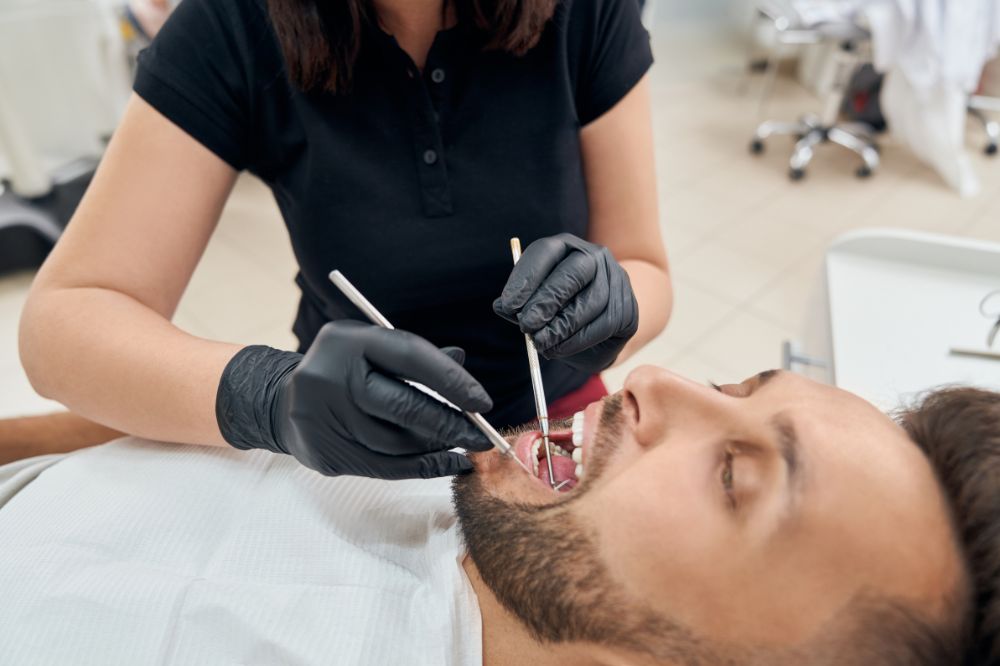
During contouring, a dental professional carefully smooths or reshapes a small area of enamel. It may be considered for minor uneven edges or small shape differences. The aim is limited adjustment, not a major change in a tooth’s size or position.
Contouring removes natural enamel, so it is not reversible. It also cannot move a tooth, close every gap, correct a bite problem, or rebuild a chipped area that needs added material. When more than a very small amount of structure would need to be removed, another approach may be safer and more predictable.
How Is Teen Safety Evaluated?
Parents often ask whether contouring is safe for teens. It may be appropriate in selected cases, but an in-person dental assessment is essential before enamel is removed. Tooth position and bite may still be changing, and enamel thickness varies from one tooth to another.
Before recommending contouring, a dental professional should consider:
- Enamel Thickness and Tooth Development: Enough healthy enamel must remain, and the tooth’s development affects the decision.
- Bite and Tooth Position: Uneven edges may reflect alignment issues rather than a shape concern alone.
- Amount of Reshaping: A tiny adjustment differs from removing substantial enamel.
- Existing Damage: Cracks, decay, or sensitivity may need attention first.
The aim is to address the concern while preserving as much healthy tooth structure as possible.
What Are the Risks of Removing Enamel?
Enamel protects the inner parts of a tooth and does not grow back after removal. Excessive shaping can weaken the tooth and increase the risk of sensitivity, cracks, or decay. It may also leave a shape that later needs restorative material to correct.
For families who want to further know what are the risks of tooth shaping for teens, a dental professional can help explain how much enamel would be removed, why it is necessary, and which alternatives are available.
When Might Another Option Be Better?
The right alternative depends on what creates the uneven appearance:
- Dental Bonding: Tooth-colored resin can add material to a small chipped edge.
- Orthodontic Treatment: Braces or clear aligners may suit concerns related to tooth position or bite.
- Monitoring: A minor difference may simply be reviewed as the teeth develop.
- Restorative Care: Decay, cracks, or significant wear should be assessed before cosmetic reshaping.
A consultation with an orthodontist near you can help separate a tooth-position concern from a small contour irregularity.
What Should Families Ask Before Deciding?
When exploring tooth shaping near you, bring a few focused questions to the consultation:
- How much enamel would be removed, and why?
- Is the concern caused by shape, tooth position, or the bite?
- Would bonding, orthodontics, or monitoring preserve more tooth structure?
- What risks and follow-up would apply?
These questions keep the decision focused on function as well as appearance. A tooth that looks long may contact its opposite during chewing, so planned contouring should be reviewed against the full bite. Photographs or notes may help document the starting shape and make the proposed change easier to discuss.
Seeking professional medical help with an orthodontist Chandler can help you identify how much structure an alternative preserves and what maintenance it may need.
A Careful Approach to Your Teen’s Smile
Tooth shaping can improve small irregularities, but removing enamel is a permanent decision.Before moving forward, make sure your teen’s teeth have been assessed and that the proposed benefits, limitations, and alternatives are clearly explained.
If you have questions about your teen’s tooth position or would like guidance on appropriate treatment options, schedule a consultation with E&S Orthodontics to discuss the next steps for their smile.
Frequently Asked Questions
Is tooth shaping (contouring) safe for teens?
It may suit a very small adjustment if an examination confirms that enough enamel will remain and the bite is healthy.
Will contouring affect future braces or aligners?
Tooth position changes can alter the result. Discuss the timing before removing enamel if orthodontic treatment is planned.
Does tooth shaping change tooth color?
No. It changes the outline, not the shade; discoloration needs a different assessment.
How many visits does tooth shaping take?
Minor adjustments may take one visit, but assessment comes first and complex concerns may need another approach.
What if a teen notices sensitivity afterward?
Contact the treating professional if sensitivity persists or worsens. Never try to smooth the tooth further at home.